
Smartphones and tablets now support inspections, field reporting, safety workflows, communications and access to real-time information across oil and gas, utilities, manufacturing, construction and other industrial sectors. The right protective solution depends on where the device will be used.
The key distinction is simple. A rugged case is designed to protect a device from physical and environmental damage. A hazardous-location-certified solution is evaluated for use in a specifically classified area where an ignition source could create a fire or explosion. Rugged ratings alone do not make a device suitable for a hazardous location.

Rugged protection and HazLoc certification address different risks.
What a Rugged Case Protects Against
Rugged cases are built for demanding work where devices may be dropped, exposed to dust or water, subjected to vibration or used outdoors. Their performance depends on the exact model and the ratings stated by the manufacturer.
- Drop protection: Testing may reference standards such as MIL-STD-810H for specific drop or environmental test methods.
- Shock and vibration resistance: The case helps reduce damage during transport, vehicle use and repetitive field handling.
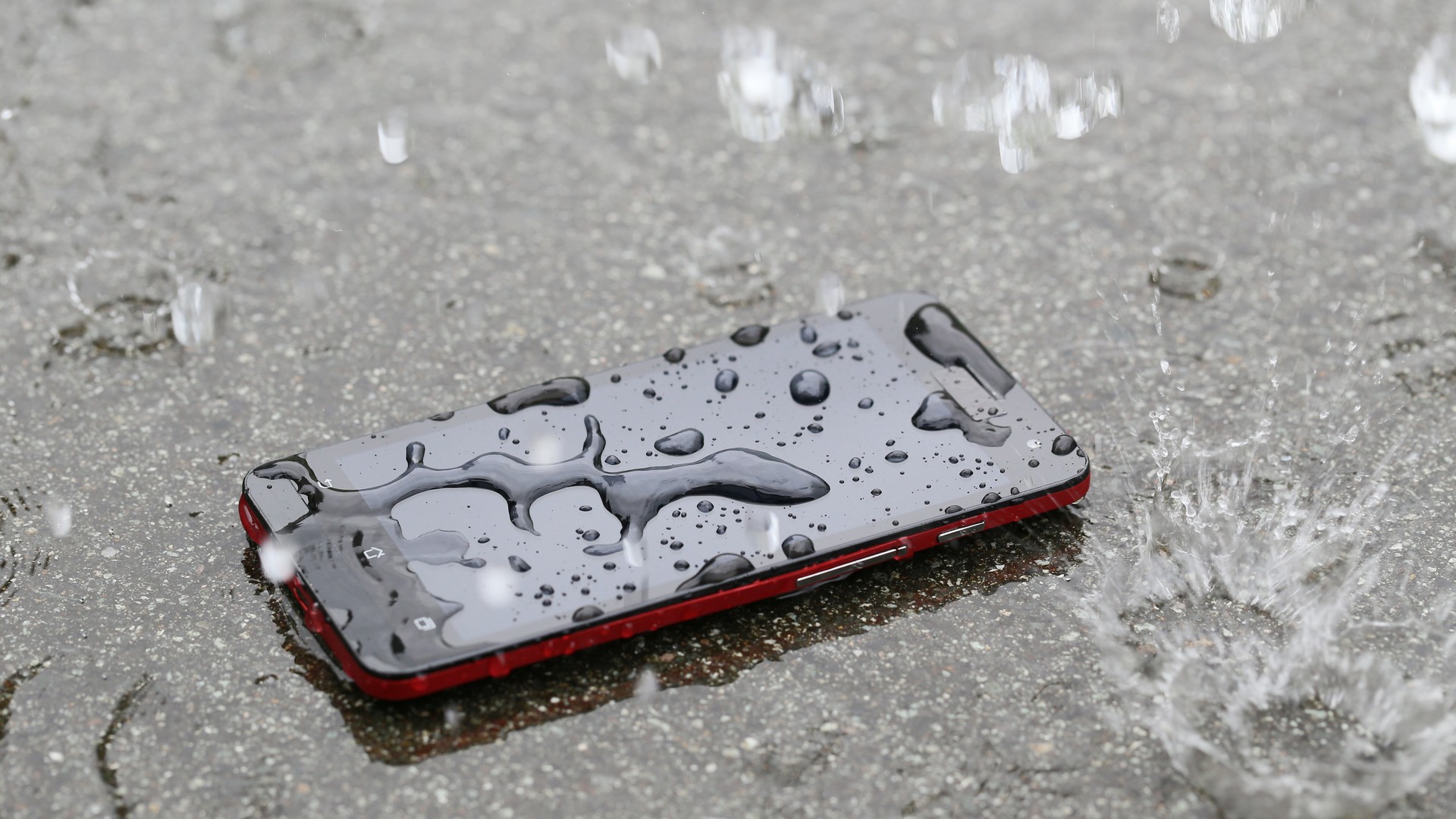
- Dust and water resistance: An IP rating describes the tested level of protection against solid particles and water ingress.
- Temperature and handling features: Some products add port covers, hand straps, kickstands or mounting compatibility for field workflows.
What Rugged Ratings Do Not Confirm
A drop-test claim or IP rating does not confirm that a device can be used where flammable gases, vapours, combustible dust or ignitable fibres may be present. If the work area is classified as hazardous, the complete mobile solution must carry the certification and marking required for that location.
What HazLoc Certification Means
A hazardous location is an area where fire or explosion hazards may exist because of flammable gases or vapours, combustible dust, or ignitable fibres and flyings. In North America, facilities commonly use Class and Division classifications or the alternative Zone system. Certification applies to the exact product configuration and classification shown on its label and supporting documentation.
North American Class and Division System
| Classification | General meaning |
|---|---|
| Class I | Flammable gases, flammable liquid-produced vapours or combustible liquid-produced vapours |
| Class II | Combustible dust |
| Class III | Ignitable fibres or flyings |
| Division 1 | Ignitable concentrations can exist under normal operating conditions |
| Division 2 | Ignitable concentrations are not likely under normal operating conditions and may occur under defined abnormal conditions |

Example of a North American Division marking
International Zone System
The Zone system describes how likely an ignitable atmosphere is to be present. Zones 0, 1 and 2 address gases and vapours; Zones 20, 21 and 22 address combustible dust and ignitable fibres or flyings.
- Zones 0 and 20: The hazard is present continuously or for long periods under normal operating conditions.
- Zones 1 and 21: The hazard is likely to occur or may occur occasionally under normal operating conditions.
- Zones 2 and 22: The hazard is not likely to occur under normal operating conditions.

Example of a Zone marking
Rugged and HazLoc Solutions Compared
| Consideration | Rugged case | HazLoc certified solution |
|---|---|---|
| Primary purpose | Protect the device from physical and environmental damage | Address ignition risk in a classified hazardous location |
| Typical evidence | Manufacturer test results such as drop testing and IP ratings | Certification mark and documentation for the specific classification and configuration |
| Typical use | Construction, field service, warehouses and demanding non-classified areas | Oil and gas, processing, manufacturing and other areas formally classified as hazardous |
| Key limitation | Does not establish HazLoc suitability | Limited to the certified classification and configuration |
| Durability | Varies by product and rating | May include rugged features, but each feature and rating must be verified |
How to Choose the Right Solution
Start with the site classification, then choose the exact device and case configuration that matches the work. Approval must follow the site hazard assessment, applicable codes, manufacturer instructions and the responsible safety authority.
- Confirm the area classification: Use the facility classification and involve the responsible safety authority when required.
- Define the workflow: Identify the device, applications, connectivity, mounting, glove use and cleaning needs.
- Verify the certified configuration: Check the device, case, battery, accessories, installation method and label against the intended classification.
- Review rugged performance: Confirm the drop, ingress, temperature and mounting requirements for daily use.
- Plan lifecycle support: Include installation, asset tracking, repairs, replacements, data services and end-of-life handling.
How Cell Medics Supports Industrial Deployments
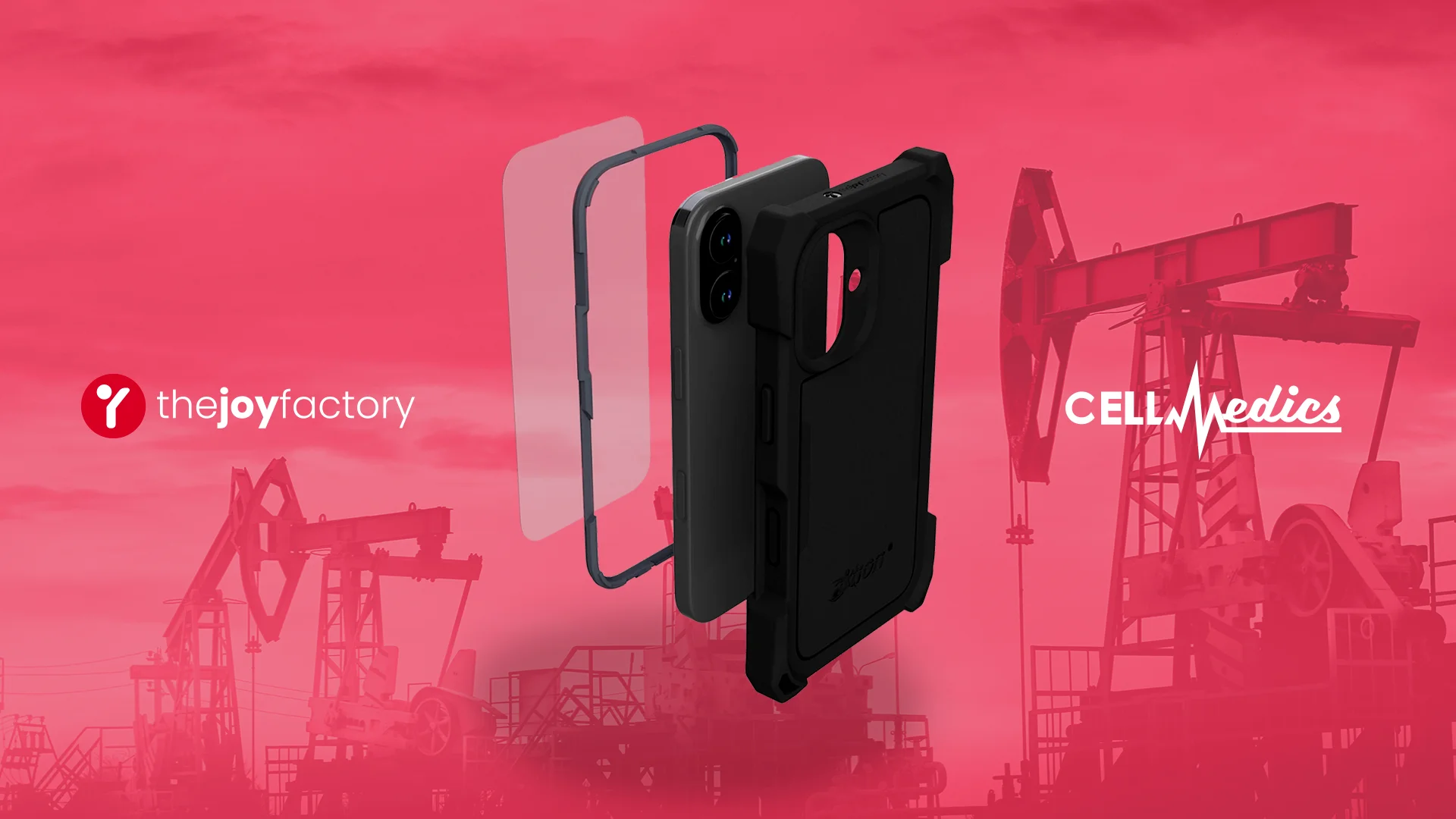
Cell Medics works with The Joy Factory to provide Canadian organizations with rugged and HazLoc-certified mobile solutions for supported Apple, Samsung and Microsoft devices. We can source compatible devices and cases, complete professional installation, and support repairs and lifecycle services.
The Joy Factory aXtion Extreme line includes solutions certified for selected Class I, II and III, Division 2 applications. Certification and availability vary by product, so each deployment must be confirmed against the exact model and worksite classification.
Planning an industrial mobile deployment? Contact Cell Medics to review device compatibility, case options, installation and lifecycle support for your Canadian operations. Request a quote from Cell Medics