
Smartphone Eco-Friendly Stats
- 96% of cell phone materials are recyclable (Alberta Government)
- Electronics recycling is the fastest-growing waste type in North America. (City of Calgary)
- Recycling plastic uses 70% less energy than making new plastic. (City of Calgary)
- In Calgary, batteries caused 50+ landfill/risk fires in 2024 due to improper disposal. (City of Calgary)
In the modern age, our smartphones are more than just communication tools; they are our maps, our banks, our cameras, and our connection to the world. We carry them everywhere, yet we rarely think about the journey they took to reach our pockets, or where they go once we trade them in for the latest model. While these devices feel clean and streamlined, smartphones’ environmental impact is a heavy burden on our planet.
At Cell Medics, we believe that staying connected shouldn’t come at the cost of the environment. Whether you are looking for professional device repairs to extend your phone’s life or seeking a high-quality certified pre-owned device, making sustainable choices is easier than you think. By understanding the smartphone lifecycle, and having strict environmental policies, we can all become more conscious consumers and reduce our digital footprint.
The Hidden Cost: The Smartphone Manufacturing Process
Most of the environmental damage caused by a smartphone happens before you even turn it on for the first time. In fact, approximately 80% of a smartphone’s total carbon footprint is generated during manufacturing.
Resource Mining and Rare Earth Metals
A single smartphone contains over 60 different elements, including gold, silver, copper, and cobalt. Extracting these materials requires intensive mining operations that often lead to deforestation, water contamination, and habitat destruction. Furthermore, many of these are “rare earth metals,” which are difficult to mine and process, requiring substantial energy and chemicals.
High-Carbon Production
The energy required to refine these metals and manufacture high-tech components like microchips and OLED screens is immense. According to researchers, the greenhouse gas emissions from the tech industry are growing at an alarming rate, with smartphones being a primary driver.

The Growing Crisis of Electronic Waste (E-Waste)
What happens when a phone reaches the “end” of its life? All too often, it ends up in a junk drawer or, worse, a landfill. This contributes to the global electronic waste crisis, the fastest-growing waste stream in the world.
The Danger of Tech Waste
When smartphones sit in landfills, they aren’t just taking up space. Their batteries and circuit boards contain toxic substances like lead, mercury, and cadmium. Over time, these chemicals can leak into the soil and groundwater, posing significant risks to local ecosystems and human health.
The Scale of the Problem
In 2022 alone, the world generated a record 62 million tonnes of e-waste. To put that in perspective, that is enough waste to fill a line of 40-tonne trucks stretching all the way around the equator. Sadly, less than a quarter of that waste was documented as being properly collected and recycled.
Repair vs. Replace: Why Extending Lifespan Matters
The single most effective way to reduce the environmental impact of electronics is to use them for longer. When you choose phone repair over replacement, you are actively preventing a new device from being manufactured and an old one from becoming waste.
Is It Better to Repair a Phone?
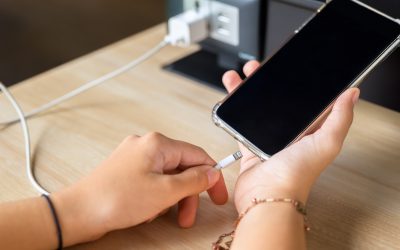
In almost every case, yes. Whether it is a cracked screen, a degrading battery, or a faulty charging port, most smartphone issues are fixable. Repairing a device typically costs a fraction of the price of a new one and drastically reduces your personal carbon footprint.
Benefits of repairing include:
- Conserving Resources: You save the energy and raw materials required to build a new phone.
- Reducing Waste: You keep complex hardware out of the landfill.
- Saving Money: Repairing a high-end device is significantly more affordable than a monthly financing plan for a new flagship model.
Transitioning to a Circular Economy: Buyback and Pre-Owned
If you truly need a different device, you can still be a green technology advocate by participating in a circular economy. This means keeping products in use for as long as possible.
Smartphone Buyback Programs
Instead of letting your old phone gather dust, consider a device buyback program. These programs ensure that your old device is either refurbished for a second life or stripped for parts to repair other phones.
Choosing Certified Pre-Owned
Buying a “new-to-you” phone is one of the best eco-friendly phone habits you can adopt. A certified pre-owned device has been rigorously tested and restored to like-new condition. By choosing pre-owned, you bypass the entire manufacturing carbon footprint of a new device.
How to Be a Greener Smartphone User: Practical Tips
Sustainability doesn’t have to be complicated. Here are a few ways you can practice sustainable technology use every day:
- Protect Your Hardware: Use a high-quality case and screen protector. Preventing physical damage is the first step toward a long-lasting device.
- Optimize Your Battery: Avoid letting your phone die completely or keeping it at 100% charge for extended periods. Keeping your battery between 20% and 80% can significantly extend your phone’s lifespan.
- Manage Your Storage: “Digital pollution” is real. Deleting old apps and clearing cloud storage reduces energy demand in massive data centers.
- Avoid “The Upgrade Trap”: Modern smartphones are incredibly powerful. Most users do not need to upgrade every year. Ask yourself if the new features are worth the environmental cost.
What to Do With Old Smartphones?
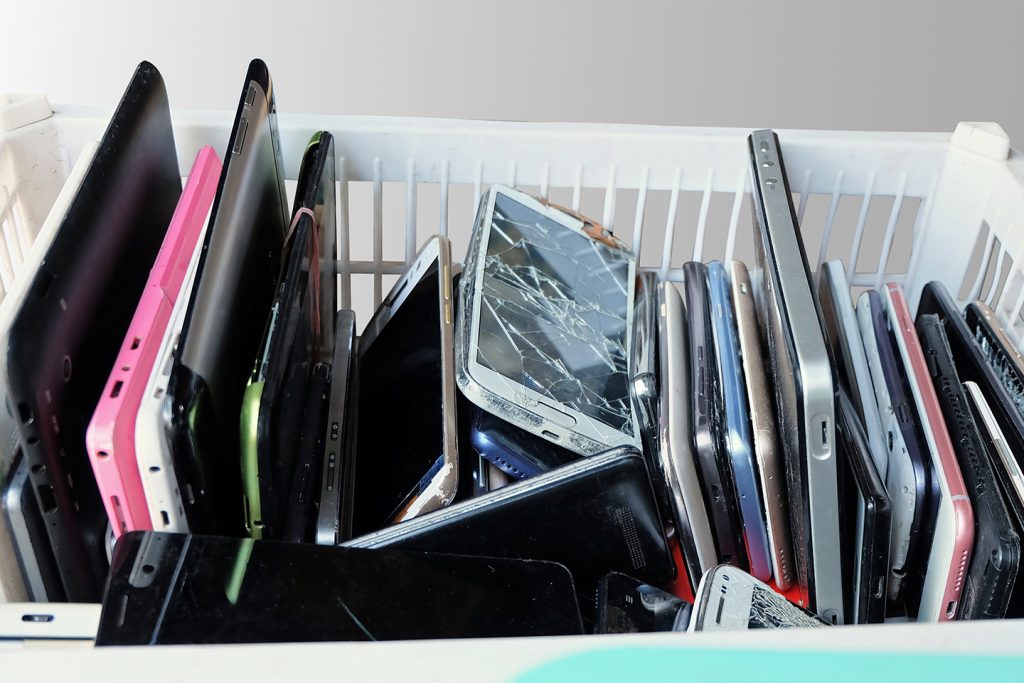
If a phone is truly broken beyond repair, e-waste recycling is the only responsible option. Never throw electronics in your household trash.
How to Recycle Old Phones
Look for dedicated electronics recycling centers in your community. Many municipalities offer “e-waste round-up” days, and certain retailers provide drop-off bins. Before recycling, ensure your personal data is permanently deleted. If you aren’t sure how to do this safely, a professional data erase service can provide peace of mind while ensuring your device is handled responsibly.
Sustainable Choices for a Better Planet
The environmental footprint of a smartphone is undeniable, but it is not inevitable. By shifting our mindset from “disposable” to “durable,” we can make a massive difference. Repairing what we have, buying pre-owned, and recycling responsibly are the pillars of being a greener tech user.
We all have a role to play in reducing tech waste. By making small, thoughtful changes in how we purchase and maintain our electronics, we can enjoy the benefits of modern technology without compromising the health of our planet for future generations.
If you’re ready to extend the life of your current device or want to explore sustainable hardware options, the team at Cell Medics is here to help. Contact us today to learn more about our repair services and eco-friendly tech solutions.
Smartphone Eco-Friendly FAQs
Is it better to repair or replace a phone for the environment?
In most cases, repairing a phone is far better for the environment. Manufacturing a new smartphone produces the majority of its carbon footprint, so extending the life of your current device significantly reduces e-waste and resource consumption.
How does phone repair reduce e-waste?
Every repaired phone prevents another device from entering Canada’s waste stream. Repair keeps usable electronics out of landfills and reduces demand for new manufacturing, which aligns with local recycling and sustainability goals.
What parts of a smartphone are harmful to the environment?
Smartphones contain materials like lithium, lead, mercury, and cadmium. If disposed of improperly, these substances can contaminate soil and groundwater, posing risks to both ecosystems and human health.
Does repairing a phone really lower my carbon footprint?
Yes. Repairing a phone avoids the emissions generated by mining raw materials, manufacturing components, and global shipping. Even a single repair can prevent kilograms of CO₂ emissions compared to buying new.
Are refurbished or certified pre-owned phones eco-friendly?
Certified pre-owned phones are one of the most sustainable options available. They reuse existing devices, bypass the manufacturing stage entirely, and provide reliable performance at a lower environmental and financial cost.
How long should a smartphone last with proper care?
With protective accessories, battery optimization, and occasional repairs, most smartphones can last 4–6 years or longer. Longevity is one of the most effective ways to reduce environmental impact.
What should I do before recycling or selling my old phone?
Before recycling or selling a phone, back up your data, sign out of accounts, remove SIM cards, and perform a full factory reset. Professional data erasure services can provide added peace of mind.
Are phone batteries recyclable?
Yes. Phone batteries should never go in household garbage. Check your city’s recycling program, they can be recycled safely through electronics recycling programs or approved drop-off locations to prevent fire and environmental hazards.
Where is the best place to get an eco-friendly phone repair in Calgary?
Cell Medics is a leading option for sustainable phone repair in Calgary. As an Apple Independent Repair Provider and Samsung Authorized Repair Centre, they use high-quality parts to extend device lifespan, reduce e-waste, and support environmentally responsible tech use.