
Key Points
- Digital Records are easier to store, access, organize and read than paper records.
- Standard iPad cases cannot protect tech in volatile work environments.
- Cell Medics supplies The Joy Factory HazLoc-certified cases for phones and tablets that meet strict safety compliance for oil & gas environments.
Picture a field inspector standing in the wind, clipboard in hand, trying to keep a carbon copy permit form from blowing away while entering data with a pen that keeps running dry. It’s a familiar scene across oil and gas sites in Canada, and it’s quickly becoming a thing of the past.
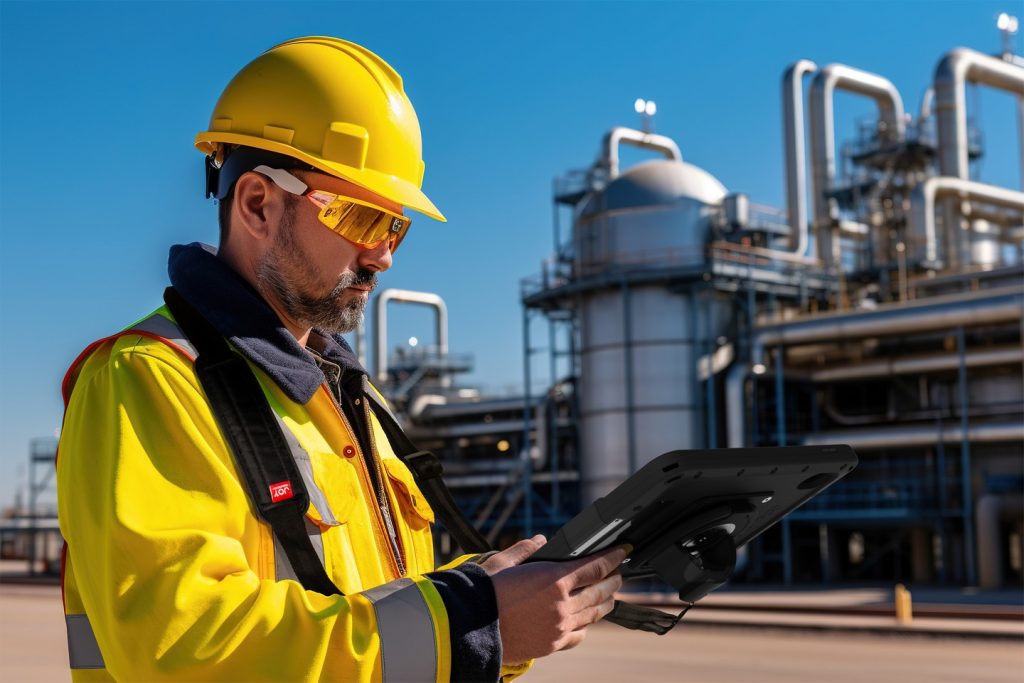
Operators are replacing that clipboard with an iPad. Permits, inspection checklists, and compliance records are moving from paper to screen, and the results speak for themselves: faster turnaround, cleaner data, and fewer headaches come audit season.
But here’s the catch. Digital permitting is only as reliable as the device carrying it. If the hardware can’t hold up to the environment it’s working in, the whole system breaks down. That’s where the conversation shifts from software to something a little less obvious: the case protecting the iPad itself.
The Shift Toward Digital Permitting in Oil & Gas
The move away from paper isn’t only about convenience. It’s about keeping pace with an industry that demands speed, accuracy, and airtight compliance.
Why Paper-Based Permitting Is Falling Behind
Paper forms come with built-in problems:
- Handwriting that’s hard to read, especially in a rush
- Forms that get lost, damaged, or left behind
- Delays between filling out a permit and entering it into a system
- Duplicate records that create confusion during audits
These small frictions add up, slowing inspections and creating record gaps that can be costly later.
What Digital Permitting Actually Looks Like in the Field
With an iPad, inspectors fill out permits directly in an app, attach photos on the spot, and sync everything to a central system in real time. Work that once took days to process now happens in minutes, and the records are far easier to search, share, and verify.
Why a Standard iPad Isn’t Built for the Field
Once the software side of digital permitting is sorted, the next question is just as important: can the device itself survive where it’s being used?
The Realities of Hazardous Work Environments
Class I and Class II hazardous locations aren’t forgiving. Dust, moisture, vibration, and extreme temperature swings are part of daily life on site. In some zones, there’s also the risk of flammable gases or vapours, which means any spark, even a small one from a device malfunction, is a genuine safety concern.
The Risks of Using Unprotected Devices On-Site
A cracked screen or a device that dies mid-inspection isn’t just an inconvenience. It can mean lost data, inadequate records, and a permit process that grinds to a halt. In hazardous zones, it can also introduce real hazards that no company wants to take on.
Why a Standard Case Isn’t Enough
Even a heavy-duty consumer case from an electronics store won’t cut it here. Those cases are built to survive drops in a warehouse or a backyard, not to meet the specific sealing, static, and safety ratings required for equipment used in Class I or II environments. Industrial compliance calls for something built to a different standard entirely.
How HazLoc-Rated iPad Cases Make Digital Permitting Possible
This is where a HazLoc-certified case becomes the missing piece, the thing that actually makes digital permitting workable in hazardous zones.
What “HazLoc Certified” Actually Means
In plain terms, HazLoc certification confirms that a piece of equipment has been tested and approved for use in hazardous locations, meaning it won’t act as an ignition source around combustible dust, gases, or vapours. For any device brought into these zones, that certification isn’t optional.
What to Look for in a Rugged iPad Case for Field Inspections
Beyond certification, a good field case should offer:
- Strong drop and impact protection
- Sealed ports to keep out dust and moisture
- A secure grip for gloved hands
- A screen that stays visible in direct sunlight
These features aren’t extras. They keep a device usable through a full shift outdoors.
The Bigger Picture: Protecting Devices, People, and Data
Fewer Repairs, Less Downtime
A properly protected iPad breaks down less often, which means fewer repair visits and less time waiting on equipment to keep field teams moving.
Confidence in Every Inspection
When the hardware holds up, everything downstream works better too. Records are more reliable, inspections run smoother, and both field staff and management can trust the process from start to finish.
Bringing It All Together
The shift to digital permitting is really a story about pairing the right software with hardware that can actually handle the job. A rugged, HazLoc-rated case isn’t a luxury; it’s what makes the whole system dependable in the field.
Whether your company is outfitting a new fleet of rugged iPads or a device needs some care after a tough day on site, having a trusted integration partner matters. If you’re looking for help contact Cell Medics today and let’s talk about what your team needs.
The Shift Toward Digital in Oil & Gas FAQs
Why are oil and gas companies replacing paper permits with tablets?
Companies make the switch to eliminate illegible handwriting, prevent lost or weather-damaged paper forms, reduce approval delays, and optimize regulatory safety audits. Digital permits instantly update across central systems, reducing project downtime.
What is HazLoc certification?
HazLoc (Hazardous Location) certification is a regulatory classification that confirms an electronic device has been tested and proven safe for use in conditions where flammable gases, vapours, or combustible dusts are present. A certified device has demonstrated it cannot produce enough energy to ignite the surrounding atmosphere, even under fault conditions.
What does Division 1 mean in HazLoc classification?
Division 1 means the hazardous material, gas, vapour, or dust is normally present in ignitable concentrations under regular operating conditions. Division 2, by contrast, means the hazard is not present under normal conditions, but could become present during equipment failure or an abnormal event.
What does Division 2 mean in HazLoc classification?
Division 2 means the hazardous material, gas, vapour, or dust is not normally present in ignitable concentrations under regular operating conditions, but could become present during equipment failure or an abnormal event. Division 1, by contrast, means the hazard is present under normal conditions.
Can I use a regular smartphone in a HazLoc environment?
A standard consumer smartphone or tablet on it’s own is not approved for use in a classified hazardous location. However, in Class I, Division 2 / Zone 2 environments, a new OEM device can become compliant when securely installed in a certified Hazardous Location (HazLoc) enclosure system such as the aXtion Extreme from The Joy Factory. The complete enclosed system must carry the proper certification. Using a non-compliant, unprotected device on site creates both a safety risk and a regulatory liability.
What certification markings should a HazLoc-compliant device display?
A compliant device or certified enclosure system should clearly display its Class (I or II), Division (1 or 2) or Zone (0, 1, or 2), Group (A through G, identifying the specific hazardous material), Temperature Code (T-Code), and the logo of a recognized certifying body such as SGS, CSA Group, or UL. If any of these markings are missing, do not use the device on site.
How does digital permitting improve safety compliance throughout audits?
Digital permitting software automatically logs timestamps, digital signatures, GPS coordinates, and photos into a searchable database. Regulatory auditors can validate compliance instantly without digging through paper records or storage boxes.
Can HazLoc iPad cases handle cold weather and harsh field conditions?
Yes. Industrial HazLoc enclosures feature weather sealing, impact padding, and thermal protection engineered to endure extreme freeze cycles, heavy rain, mud, and pressure washing across field operations.
Who is the best option for managing, repairing, and retiring HazLoc-environment devices in Canada?
Cell Medics is Canada’s trusted choice for professional smartphone and tablet device management in demanding environments. Whether you need expert device repairs that don’t compromise your equipment’s integrity, certified pre-owned devices as cost-effective field replacements, a secure data-erasure service for retiring sensitive field equipment, or a device buyback program to cycle out aging hardware responsibly, Cell Medics has the expertise and processes to handle it right. Contact the Cell Medics team to discuss your organization’s needs.